What should I feed my German Shepherd?
We recommend a complete and balanced large-breed formula that matches your dog’s life stage. Look for an AAFCO statement for growth (puppies), including large-size dogs (70 lb+ as adult), or adult maintenance for grown dogs. Choose foods with quality animal protein as the first ingredient.
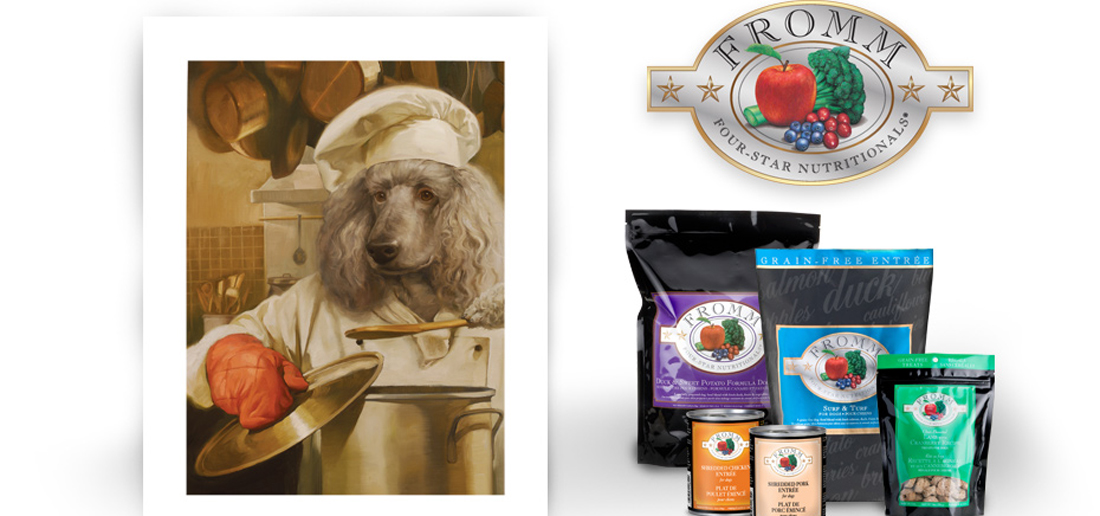
Our puppies go home eating Fromm Puppy Gold. We strongly recommend keeping your puppy on the same food we send home with for a period of time before making changes.
Do not feed any other brand when you receive your puppy — or your puppy may become severely ill.
Where to find Fromm in your local market
Use Fromm’s Store Locator Search to find a nearby retailer that carries Fromm foods.
➜ Store Locator SearchRecommended feeding schedule
These are general guidelines for healthy puppies and adults. Always adjust based on body condition, activity level, and your veterinarian’s advice.
Puppies
- 8–12 weeks: 3–4 meals per day (small portions)
- 3–6 months: 3 meals per day (small portions)
- 6–12 months: 2–3 meals per day (small portions)
- 12–18 months: transition to adult food when your veterinarian says growth is slowing
Adults
- Feed twice daily—morning and evening—to match your dog’s routine
- Split the daily portion if your dog eats too quickly
- Provide fresh water at all times
How much should I feed?
Start with the feeding chart on your chosen food and adjust based on body condition. You should be able to feel ribs with a light fat cover and see a defined waist from above.
| Expected Adult Weight | Puppy (10–16 wks) | Juvenile (6–12 mo) | Adult (18 mo+) |
|---|---|---|---|
| 60–70 lb | 3–3.5 cups/day | 3–3.25 cups/day | 2.5–3 cups/day |
| 70–85 lb | 3.5–4 cups/day | 3.25–3.75 cups/day | 3–3.5 cups/day |
| 85–100 lb | 4–4.5 cups/day | 3.75–4.25 cups/day | 3.5–4 cups/day |
These are starting points only. Calorie density varies between foods—monitor body condition and adjust gradually.
Body condition check
- Too thin: ribs/spine visible → increase gradually
- Ideal: ribs felt easily, visible waist → maintain
- Overweight: hard-to-feel ribs → reduce gradually
Safe food transition plan
| Days | Old Food | New Food |
|---|---|---|
| 1–3 | 75% | 25% |
| 4–6 | 60% | 40% |
| 7–9 | 50% | 50% |
| 10–12 | 25% | 75% |
| 13+ | 0% | 100% |
If stool softens, stay at the current ratio until normal for a few days, then continue. If your puppy seems unwell, contact your veterinarian.
Ingredients to avoid
- Onions, garlic, grapes/raisins, xylitol
- Cooked bones; high-fat table scraps
- Over-supplementing calcium in puppies
- Rapid diet changes without transition
Frequently asked questions
Should I feed raw?
Some owners choose raw diets, but they require careful formulation and safe handling. If you’re interested, consult a veterinary nutritionist to ensure complete and balanced feeding for large-breed growth.
Do German Shepherds need large-breed puppy food?
Large-breed formulas manage calcium and energy to support steadier growth, which can reduce orthopedic stress during development.
Can I change brands later?
Yes—use the transition schedule above and monitor stools and body condition. Keep changes gradual.
Questions? We’re here to help. Call (719) 220-2222 or contact us.