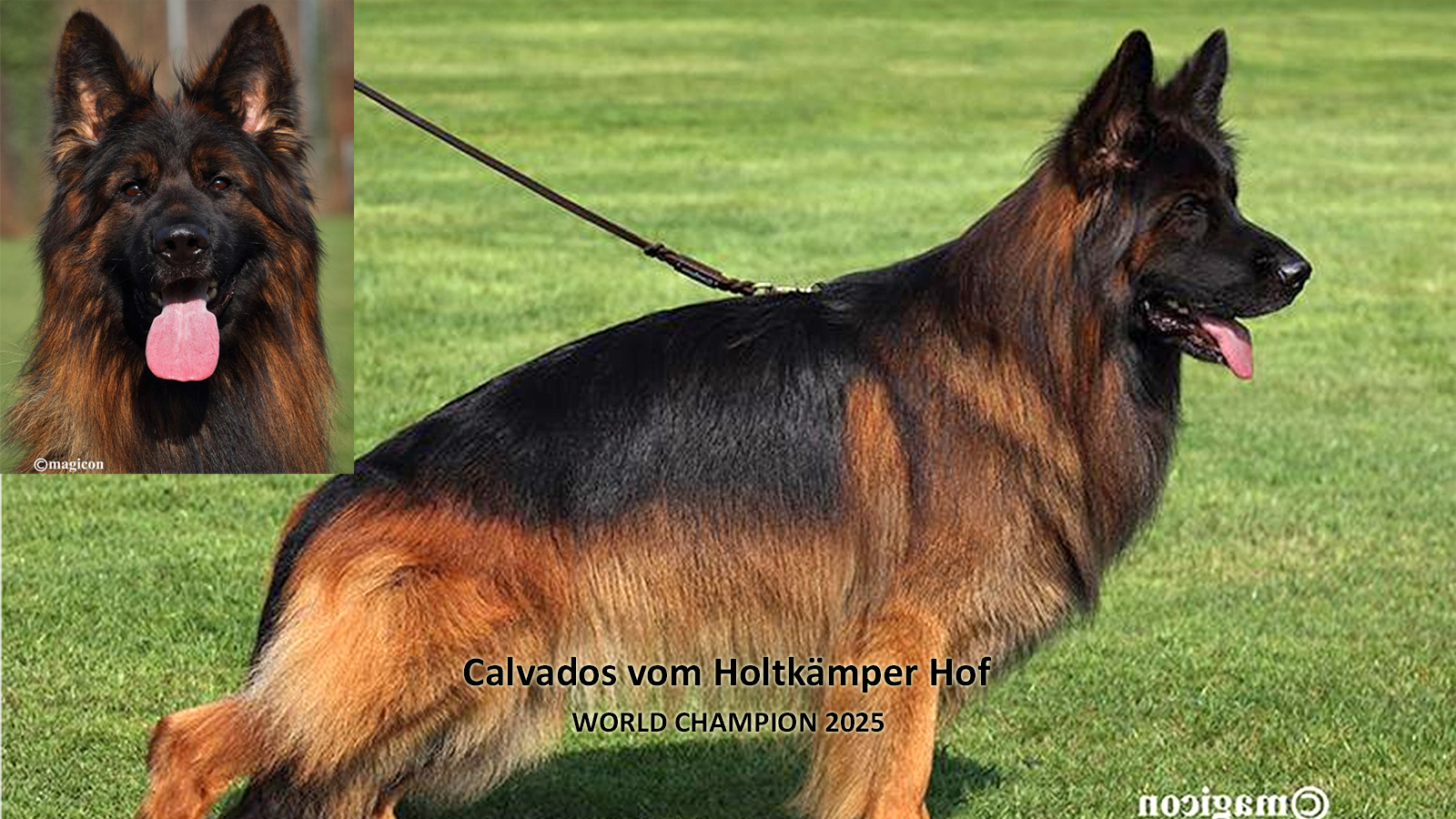
Coat type changes grooming—not loyalty or temperament
All three coat types are still purebred German Shepherds. Coat type mainly affects brushing, drying time, and how much “feathering” you see—temperament and suitability come from genetics, training, and lifestyle fit.
Coat types at a glance
Here’s the practical difference most families care about: maintenance, drying time, and how the coat “fills out.”
Stock Coat
Look: short to medium, close-fitting.
Undercoat: full, functional.
Upkeep: easiest and quickest to dry.
Great for: active families, working homes, all-weather life.
Plush Coat
Look: fuller stock coat with extra feathering.
Undercoat: yes (still stock coat genetically).
Upkeep: moderate—regular brushing helps a lot.
Great for: families who want a “fuller” look without long-coat volume.
Long Coat
Look: clearly long hair with feathering.
Undercoat: often yes (preferred); sometimes minimal.
Upkeep: moderate to higher—more coat to manage.
Great for: homes that enjoy brushing and love a dramatic coat.
Stock coat German Shepherds
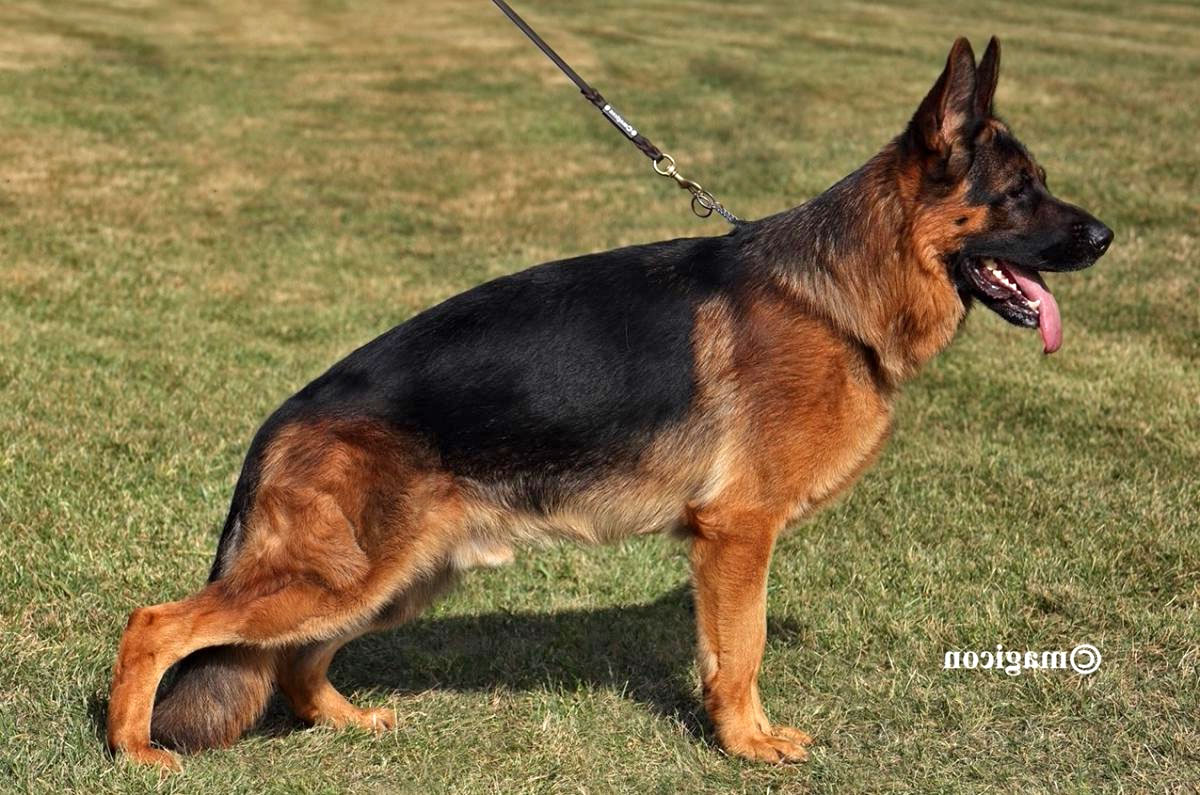
The stock coat (often casually called “short coat”) is the standard described in breed standards. It’s practical, weather-resistant, and easy to maintain.
What you’ll notice
- Dense outer coat that lies close to the body
- Strong undercoat for insulation and protection
- Modest feathering on tail and back legs
Why many homes prefer it
- Dries fastest after rain, snow, or swimming
- Easiest brushing routine
- Very “work-ready” and low-fuss
Plush coat German Shepherds
Plush coat is a fuller-looking stock coat—think more feathering and a softer outline. Importantly, plush is not a separate genetic coat type. It’s just how some stock coats present.
- More feathering on chest, legs, and tail
- A “teddy bear” fullness while still being functional
- Usually very manageable with a simple brushing routine
If you love a fuller look but want easier drying time than a long coat, plush is often a sweet spot.
Long coat German Shepherds
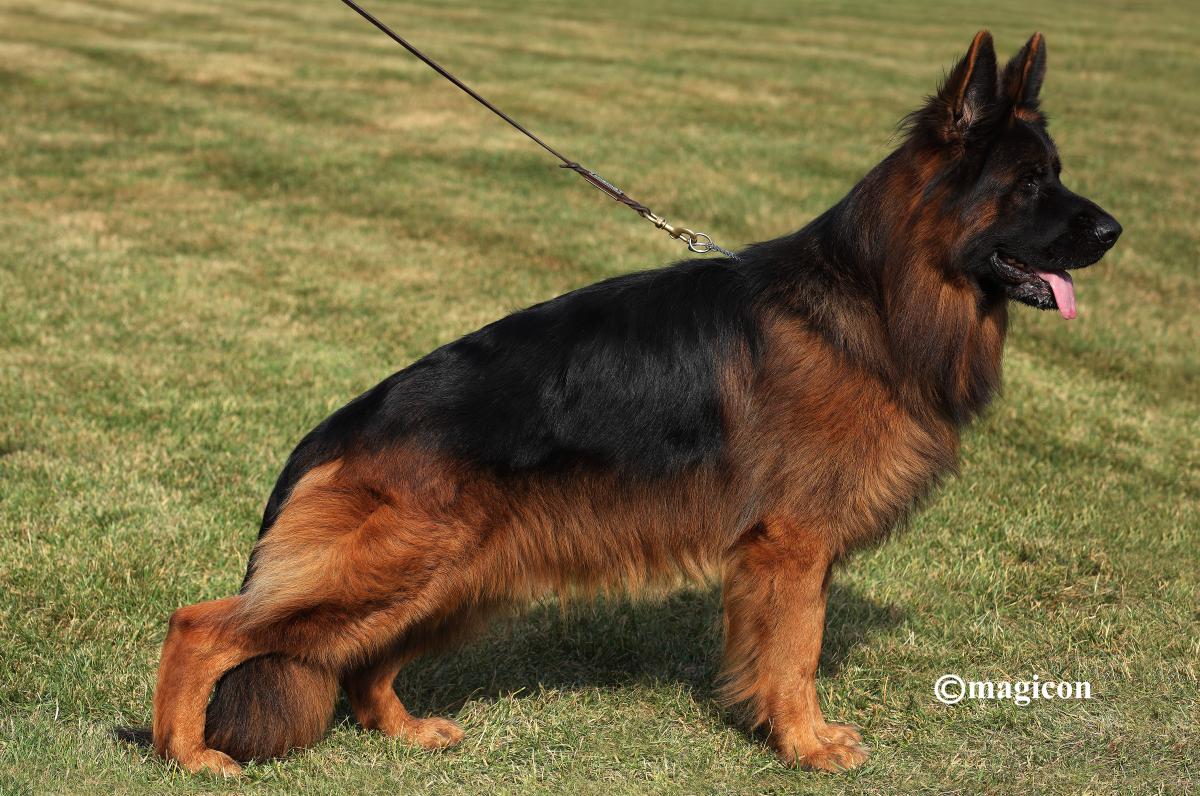
The long coat has visibly longer hair with feathering on the ears, chest, legs, and tail. Many families love the look—just know you’re signing up for more brushing and more “coat presence” in the home.
Maintenance basics
- Brush several times per week (more during coat blows)
- Expect longer drying time after wet weather
- Great cold-weather comfort when undercoat is present
Long coat with little or no undercoat
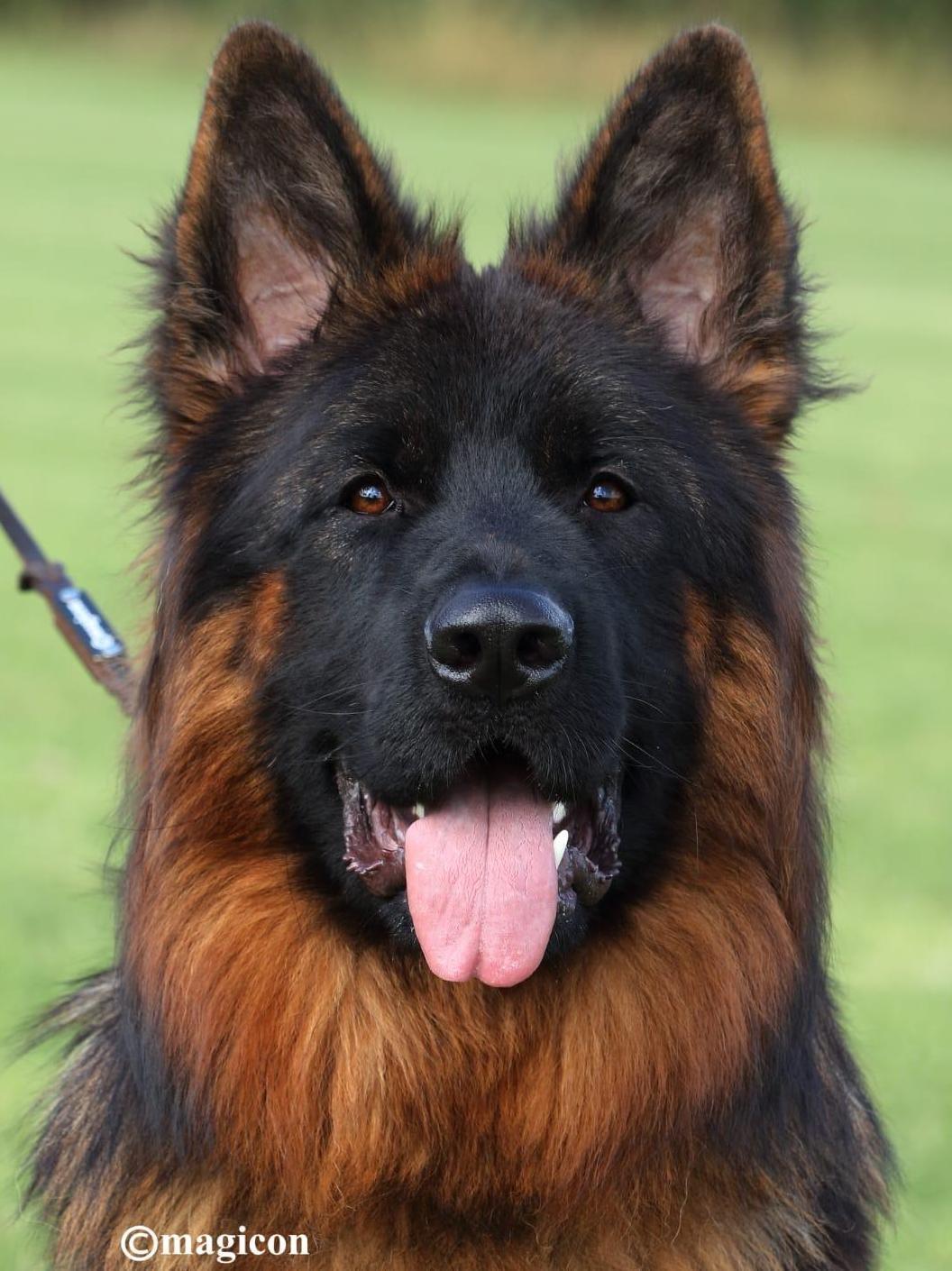
Not all long coats are identical. A preferred long coat has a functional undercoat. Some dogs have very little undercoat, which changes how the coat performs.
- Less insulation and weather protection in rain/wind
- Coat can appear more “open” or flatter
- Gets wet faster and stays wet longer
Many families still enjoy the look, but for function and all-weather comfort, we prefer long coats with undercoat.
Coat genetics made simple
Coat length is primarily controlled by a simple pair of genes:
- L = stock coat (short hair)
- l = long coat
Each dog gets one from each parent:
- L/L – Stock coat
- L/l – Stock coat (long-coat carrier)
- l/l – Long coat
Plush is still stock coat genetically—it’s simply a fuller presentation.
Frequently Asked Questions
Are all three coat types purebred German Shepherds?
Yes. Stock coat, plush coat, and long coat can all be purebred German Shepherds. Coat type affects grooming and coat behavior—not the fundamentals of temperament or intelligence.
Is plush coat a separate genetic type?
No. Plush is a fuller-looking expression of stock coat. It is not a separate gene—it’s simply how some stock coats present.
Do long coats always have undercoat?
Not always. Many long coats have undercoat (preferred for insulation and weather resistance). Some have very little undercoat, which reduces protection in wet or windy conditions.
Which coat type sheds the least?
All German Shepherds shed. Stock coats are often easiest to manage because the hair is shorter and dries faster, but shedding depends heavily on undercoat cycles, health, and brushing routine.
Want help choosing the right puppy?
We match families by temperament first, then coat preferences—so the fit is right long-term.