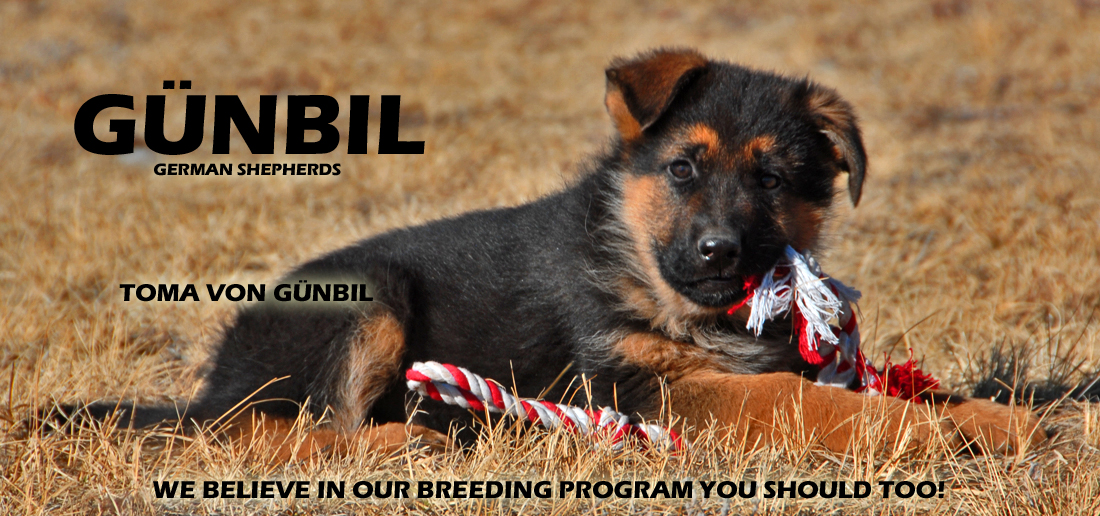
German Shepherd puppies develop fast — physically, mentally, and emotionally. The “right” training at the wrong time can backfire, and the “right” socialization done too intensely can overwhelm a puppy. This FYI page gives you a practical timeline so you know what matters most at each stage.
If you want help choosing a puppy or setting up your first weeks at home, contact us — we’ll point you in the right direction.
Weeks 0–8: Foundation is built before you ever meet the puppy
The earliest phase is about nervous system development and early confidence. This is where stable temperament begins: calm handling, predictable routines, and safe exposure to everyday household life.
- Early handling: short, calm touch that teaches the puppy humans are safe.
- Sound + surface exposure: gentle introduction to normal home noises and surfaces.
- Human engagement: puppies learn to recover quickly and stay curious.
Weeks 8–16: The socialization window that shapes the adult dog
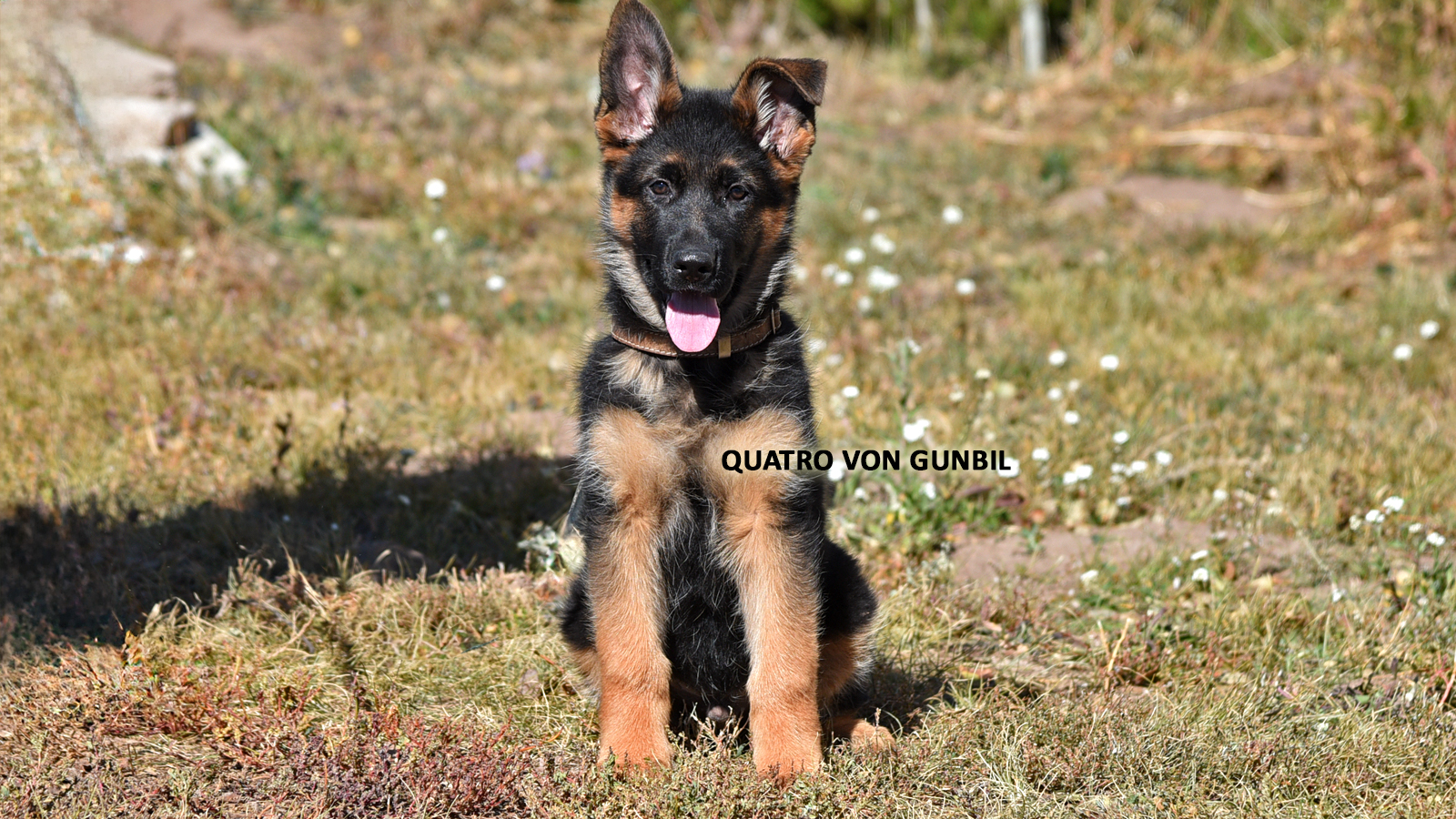
This is the most important window for creating a stable German Shepherd. The goal isn’t to “meet everyone” — it’s to build calm confidence around normal life.
- Positive exposure: people (different ages), hats, uniforms, umbrellas, etc.
- Environmental confidence: parking lots, vet lobby visits, calm public areas.
- Handling tolerance: ears, paws, grooming, collars, leash pressure.
- Short training sessions: name, recall games, marker word, crate routine.
Important
Avoid flooding your puppy. One calm, positive “win” beats five chaotic experiences.
4–12 months: Teething, boundaries, and the “teen” phase
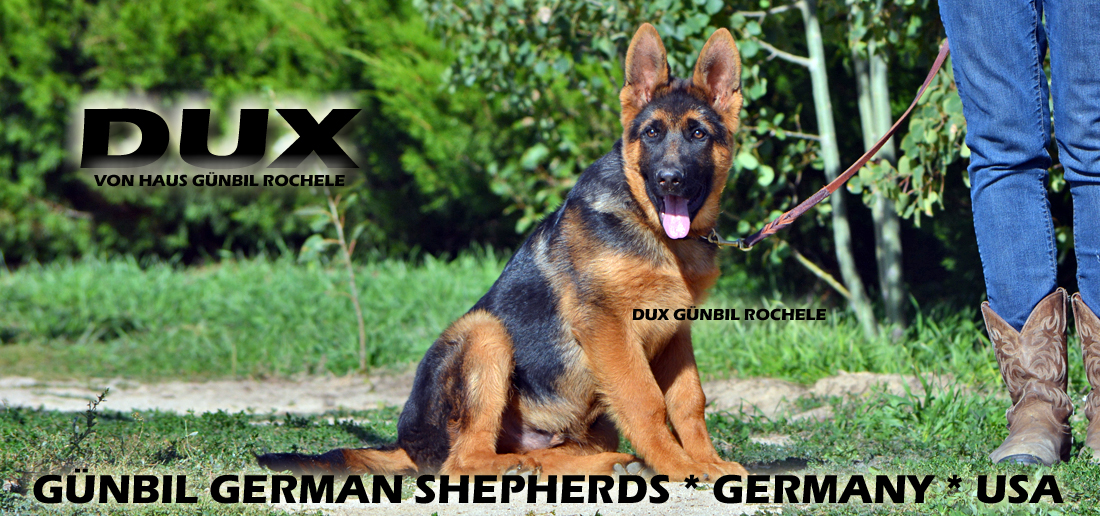
Many German Shepherds get more intense here — more mouthy, more energetic, and more opinionated. This is normal. What matters is structure: clear rules, consistent follow-through, and rewarding calm behavior.
What’s normal
- Increased chewing and mouthiness
- Testing limits and ignoring cues
- Energy spikes and short attention spans
- Occasional “fear moments” (a normal fear period)
What to focus on
- Crate + rest schedule (overtired puppies act worse)
- Leash manners and neutrality
- Calm greetings (no jumping, no chaos)
- Confidence-building games (not intimidation)
12–24 months: Adolescence to adulthood
A German Shepherd’s body may look grown, but the mind is still maturing. This is the phase where good structure becomes a great dog — and inconsistent leadership can create bad habits.
- Consistency: keep rules the same every day (that’s how reliability is built).
- Training progression: proof basics around distractions before adding difficulty.
- Balanced outlets: obedience + calm enrichment + appropriate physical activity.
A simple weekly checklist that works
If you do nothing else, use this checklist to keep development on track without overcomplicating it:
- 3–5 short training sessions per day (2–5 minutes each)
- 1 new “calm exposure” a day (surface, sound, place, or person)
- Practice settling: crate, place, or calm tether time
- Reward calm behavior (this creates an off-switch)
- Keep chewing appropriate (rotate safe chew options)
Have questions about our German Shepherd puppies?
We’re here to help you find the right puppy for your family and goals.
Frequently Asked Questions
When do German Shepherd puppies start calming down?
Many begin showing more “settle” between 10–18 months, but true maturity often continues through 2–3 years. A consistent rest schedule, structure, and calm training make the biggest difference.
What is the most important socialization window?
Roughly 8–16 weeks. Focus on calm, positive exposure without overwhelming the puppy. The goal is confidence and neutrality — not nonstop excitement.
Are fear periods normal in German Shepherd puppies?
Yes. During a fear period, keep experiences positive and avoid forcing scary situations. Confidence-building and calm leadership are the move.
How much exercise does a German Shepherd puppy need?
Enough to build coordination and confidence, but not so much that growing joints are stressed. Short, frequent sessions plus training and enrichment usually beat long repetitive running.
Bottom line: development is a process — not a race. If you want a stable adult German Shepherd, prioritize confidence, structure, and calm consistency over intensity.