
Gentle handling builds confidence
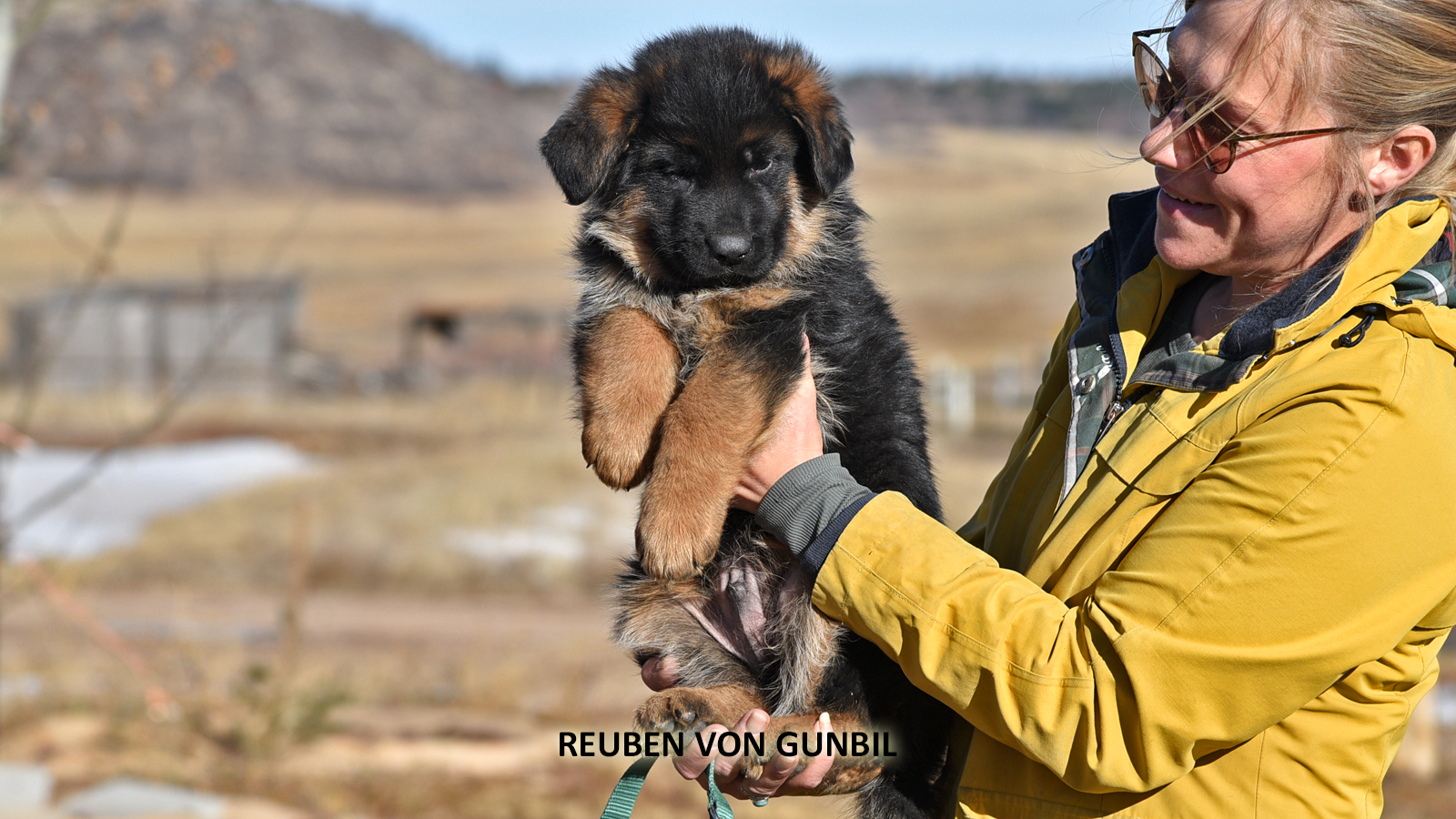
One of the most important parts of early development is gentle, deliberate handling. It builds trust and lifelong confidence. We start this from birth—please continue the same calm routine at home so your puppy feels secure and knows what to expect.
Why this matters
Like a baby, a puppy’s body is delicate. Rough lifting, quick grabs, or letting a puppy dangle can create fear and even strain joints. Calm, predictable handling teaches your puppy that people are safe.
- Confidence: hands mean safety, not surprise.
- Resilience: calm routines support stable nerves and recovery from stress.
- Trust: predictable handling strengthens your bond and cooperation.
How to lift safely
- Puppies / small dogs: one hand under the chest (behind the front legs) and one hand supporting the hindquarters. Keep the back level and hold close.
- Larger young dogs: one arm behind the front legs and the other behind the hind legs. Hug to your chest and lift with your legs—never your back.
- Never: lift by the front legs, scruff, collar, or tail. Avoid quick, jerky movements and never let a puppy dangle unsupported.
How to set your puppy down
Lower your puppy with both hands until all four paws touch the floor, then release. Calm set-downs help prevent fear and accidental slips.

Frequently Asked Questions
Should kids carry a German Shepherd puppy?
It’s better not to. Puppies can squirm and fall. If kids want to hold your puppy, have them sit on the floor and support the puppy’s chest and hindquarters while an adult supervises.
What’s the safest way to pick up a small puppy?
Use two hands: one under the chest (behind the front legs) and one supporting the hindquarters. Keep the puppy’s back level and hold them close to your body.
What should I never do when lifting my puppy?
Never lift by the front legs, scruff, collar, or tail. Avoid quick, jerky movements and never let a puppy dangle unsupported.
How do I set my puppy down safely?
Lower your puppy with both hands until all four paws touch the floor, then release. Calm, gentle set-downs help prevent fear and accidental slips.
Need help with your puppy’s routine?
Tell us your puppy’s age and what you’re seeing at home, and we’ll point you in the right direction.