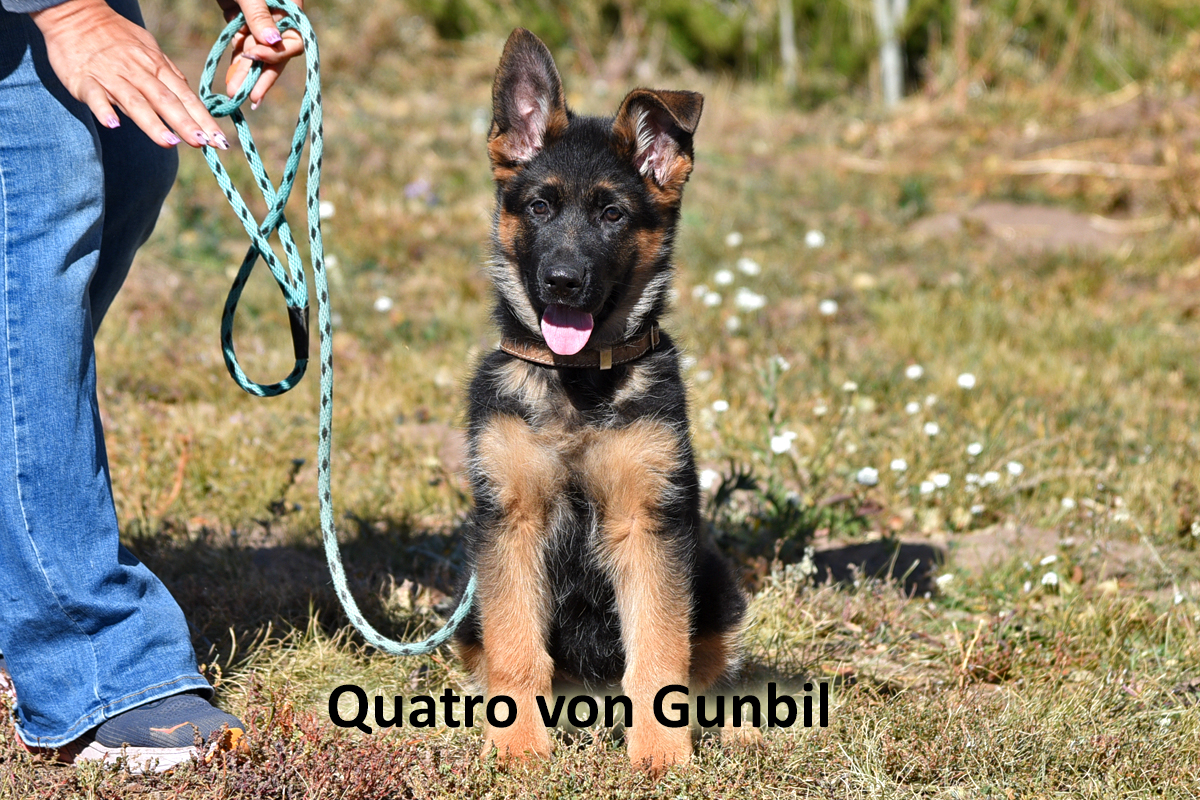
Healthy starts with what you can see—and what the breeder can prove
A healthy puppy looks bright, clean, and comfortable, and comes with clear records and transparent breeder practices. Use this guide as a practical checklist whether you’re visiting in person or reviewing photos and video.
What a healthy puppy should look like
In general, you want a puppy that looks balanced and “well put together,” with clear eyes, clean skin, easy breathing, and free, comfortable movement.
Eyes, ears, nose, and mouth
These are quick, high-signal health checks you can do in seconds:
- Eyes: bright and clear; minimal to no discharge; no constant squinting or rubbing.
- Ears: clean inside; no heavy odor, redness, or dark debris; not constantly scratching.
- Nose: normal to have light moisture; avoid thick, colored discharge.
- Mouth & gums: pink, moist gums; clean baby teeth; no strong foul odor.
Coat, skin, and body condition
The coat and skin can reflect overall health and environment:
- Coat: soft and dense; not dull, patchy, greasy, or heavily flaky.
- Skin: no bald spots, scabs, open sores, or persistent irritation.
- Body condition: you can feel ribs with gentle pressure but not see them sharply; not pot-bellied.
- Hydration: skin should spring back quickly when gently lifted (slow tenting can mean dehydration).
Movement, structure, and energy
Movement tells you a lot. Look for comfortable, free use of the body:
- Gait: no limping; no persistent stiffness; no repeated bunny-hopping.
- Balance: normal puppy clumsiness can happen, but repeated stumbling or toe-dragging is a concern.
- Energy: playful in short bursts, then rests. Constant lethargy (or frantic, nonstop agitation) is a flag to ask questions.
- Breathing: should be easy and quiet. Persistent cough/wheeze deserves attention.
A single awkward day can happen in fast-growing pups. Patterns are what matter.
Behavior and comfort level
Health and temperament overlap—pups that feel unwell can look flat or uncomfortable.
- Healthy puppies show curiosity, engage with people, and recover quickly after small startles.
- A naturally calm puppy is different from a puppy that looks shut down or uninterested in everything.
- Consistent hiding, isolating, or refusing food/play is worth investigating.
Vaccinations, deworming, and vet records
Paperwork matters as much as appearance. You should be able to get clear answers about:
- Vaccines: which ones, and the exact dates given.
- Deworming: what product(s) were used and how often.
- Vet involvement: whether the litter has been examined and documented by a veterinarian.
- Written terms: what your agreement covers, and what it expects from you (care, feeding, routine vet visits).
A responsible breeder won’t dodge these questions—and won’t make you feel annoying for asking.
Parents, pedigree, and health testing
A healthy puppy starts with healthy parents. Ask about:
- Hip and elbow certifications: official clearances for both parents from a recognized registry.
- Temperament and stability: how the parents behave with people, in new places, and under pressure.
- Structure and movement: soundness matters—especially in a large, athletic breed.
- Pedigree planning: thoughtful pairing supports consistent health, temperament, and breed type.
Red flags to watch for
Even if a puppy is cute, certain signs should make you pause and ask more questions:
- Strong odor or dirty conditions in the puppy area.
- Persistent cough, heavy sneezing, or obvious breathing difficulty.
- Multiple pups with runny eyes, crusted noses, or ongoing diarrhea.
- No written health records or vague answers about vaccines/deworming.
- Pressure to “decide right now” without time to review information.
A trustworthy breeder wants you to feel informed—not rushed. Our guide on how to choose a German Shepherd breeder explains what to look for before selecting a breeding program.
What we do at Gunbil German Shepherds
- Carefully selected parents with proven temperament and structure.
- Clean, enriched environments that support confident development.
- Age-appropriate nutrition and steady routines.
- Regular health protocols with documentation.
- Honest guidance for the first weeks at home.
Our goal is simple: healthy, resilient puppies that bond deeply and thrive long-term in their new homes.
Frequently Asked Questions
How can I tell if a German Shepherd puppy is healthy?
A healthy puppy has bright, clear eyes, a clean coat, easy breathing, good body condition, and moves without limping. They show age-appropriate curiosity and energy and settle to rest normally.
What health records should my puppy come with?
You should receive written vaccination dates, deworming records, and documentation of any veterinary exams. A responsible breeder can explain their protocol clearly and consistently.
How important are the parents’ health tests?
They matter. Health-tested parents with sound structure and stable temperament can reduce the risk of inherited problems and support a long, active life for your puppy.
What are common red flags when choosing a puppy?
Red flags can include dirty conditions, strong odor, persistent cough or labored breathing, repeated diarrhea, heavy eye or nasal discharge, missing written records, and pressure to commit quickly without time to ask questions.
Key takeaway
A healthy puppy looks bright, moves freely, and comes from a breeder who can clearly explain health care, records, and the parents behind the litter. When in doubt, ask questions—a good breeder will gladly answer them.