
Why kid + dog safety rules matter
Even friendly dogs can bite if they feel scared, surprised, cornered, or overwhelmed. Children are often eye-level with dogs, move quickly, and may stare or hug—behaviors that can make a dog uncomfortable. The goal is simple: teach kids how to be calm, predictable, and respectful, and teach dogs that kids are safe to be around.
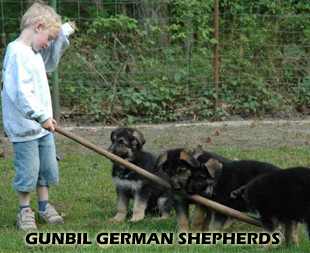
Before petting any dog: always ask
- Ask the owner first if it’s okay to pet the dog.
- Approach from the front or side, not from behind.
- Keep hands low, move slowly, and speak softly.
- If the dog backs away, hides, or looks uncomfortable—stop and give space.
The “no face-to-face” rule
Many bites happen when a child’s face is close to a dog’s face. Even a well-trained dog can react if startled, in pain, guarding, or simply uncomfortable.
- No kissing a dog.
- No putting your face close to a dog’s face.
- No hugging unfamiliar dogs. With your own dog, only gentle affection if the dog clearly enjoys it.
- If you want to show love, use a calm voice, gentle petting on the side or chest, and give space.
Hands off during the “big three”: eating, sleeping, and illness
Dogs deserve peace when they’re eating, sleeping, or not feeling well. Many bites happen when a dog is startled or feels defensive around food or pain.
- Let a dog eat in peace. Don’t reach into bowls or hover over food.
- Don’t bother a sleeping dog. Wake-ups can cause a fear reaction.
- If a dog is sick or injured, give extra space and contact an adult.
“Be a Tree” / “Be a Rock” (what kids should do if a dog approaches)
If a dog runs up, jumps, or gets too excited, kids should avoid squealing, waving arms, or running away. These can trigger chasing. Instead, teach these two simple strategies:
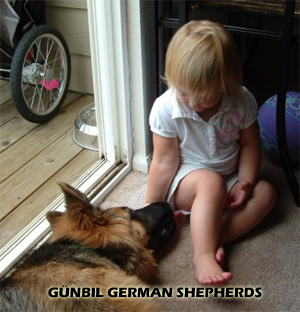
Be a Tree (standing)
- Stand still.
- Arms “branches” folded or hands tucked to your chest.
- Look down or to the side (no staring at the dog).
- Stay quiet and wait for an adult.
Be a Rock (if knocked down)
- Roll into a ball with knees tucked.
- Cover your neck with your hands.
- Stay still and quiet until help arrives.
Toys and games: choose safer activities
Better choices
- Fetch, Frisbee, and structured ball games
- Hide-and-seek (kid hides, adult supervises)
- Agility-style obstacle courses
- Training games for treats (sit, down, touch)
Use caution or avoid
- Rough wrestling (dog may get overexcited)
- Tug-of-war (only if the dog is trained to “drop it”)
- Teasing games (can increase frustration)
- Taking toys from a dog’s mouth (unless trained)
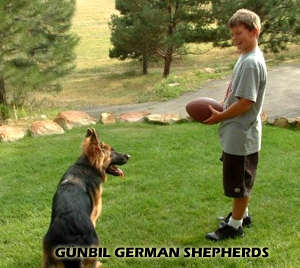
Adult-only tasks (kids should not do these)
To reduce risk, certain interactions should always be handled by an adult—especially with new dogs, large dogs, or visiting dogs.
- Feeding dogs and handling food bowls
- Taking high-value toys/chews away from a dog
- Leashing/unleashing a dog or holding a leash outdoors
- Breaking up dog conflicts or stepping between dogs
- Reaching into crates, cars, fences, or kennels where a dog may feel territorial
Respect space and territory
Dogs naturally protect their space. A hand through a fence, a reach into a car window, or cornering a dog can trigger defensive behavior.
- Don’t stick hands into a dog’s crate, pen, kennel, or fence area.
- Don’t reach into a car window where a dog is sitting.
- Never corner a dog. Always leave a clear exit route.
Learn the warning signs (body language)
Most dogs give warnings before a bite. Teach kids to pause and get an adult if they see:
- Growling, snarling, showing teeth, or intense barking
- Stiff body, frozen posture, “hard stare”
- Ears pinned back, tail held high and stiff, raised hackles
- Backing away, hiding, or trying to escape
If a dog looks tense: stay calm, don’t scream, don’t run, don’t stare into the dog’s eyes. Slowly step away and get an adult.
Never try to break up a dog fight
Children should never attempt to stop a dog fight. It’s easy to get bitten by accident. Get an adult immediately. Adults can use safe methods like barriers, loud interruption, or a hose—without putting hands in danger.
House rules that help everyone
- Children should not hug unfamiliar dogs.
- With your own dog, hugs should be gentle—and only if the dog clearly tolerates it.
- No hitting, teasing, screaming in a dog’s face, or grabbing ears/tail.
- When friends visit, introduce them to the dog and explain the house rules.
Have questions about our German Shepherd puppies?
We’re here to help you find the right puppy for your family and goals.