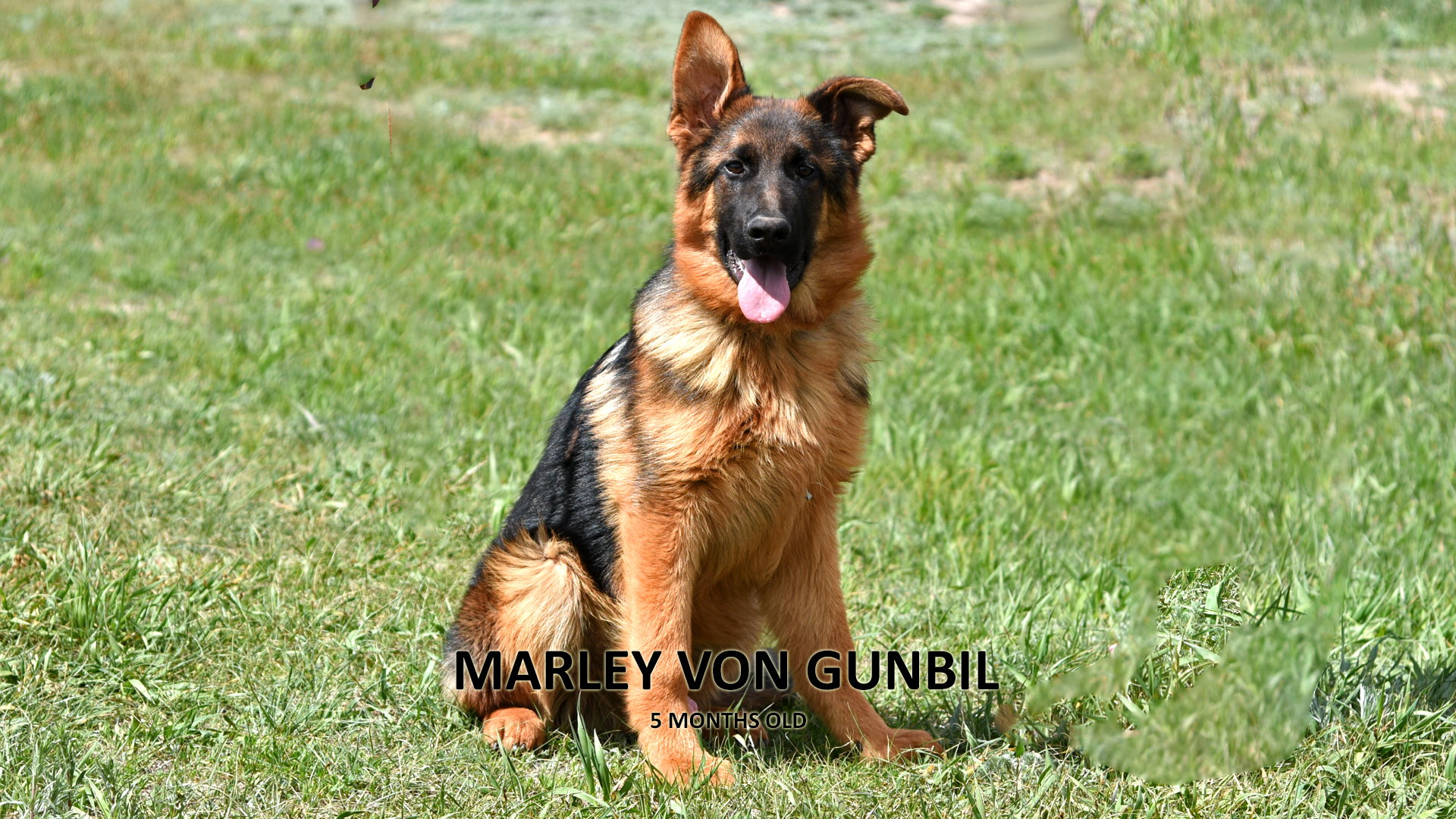
Floppy ears are normal while your puppy grows
German Shepherds are known for upright ears, but puppies aren’t born with them. As cartilage and muscles strengthen, ears often go through a goofy “one up, one down” phase—especially during teething. In most healthy, well-bred puppies, time and consistency do the job.
What affects ear development?
Ear carriage is influenced by several things, with genetics leading the list:
- Genetics: the biggest factor—ear strength tends to run in lines.
- Growth + teething: ears often weaken temporarily during heavy teething.
- Nutrition: balanced, age-appropriate food supports cartilage and muscles.
- Chewing: normal chewing helps jaw/ear-base muscles develop.
- Health: infections, mites, or trauma can affect carriage.
Normal ear stages and timeline
This is a common pattern in many German Shepherd puppies. Individual timing varies—your breeder’s experience with the bloodlines is the best baseline.
0–8 Weeks: Soft and floppy
Very young puppies have soft ears that lie close to the head. Focus on health, growth, and calm handling.
8–16 Weeks: First “pop up”
One or both ears may pop up, then drop again. Changes can happen day-to-day based on activity and fatigue.
4–6 Months: Teething rollercoaster
It’s common for ears that were up to fall during teething. This can look dramatic and still be normal.
6–8+ Months: Settling into adult carriage
Many ears stabilize by 6–8 months. If both are consistently flat around 7–8 months, ask your breeder and vet for guidance.
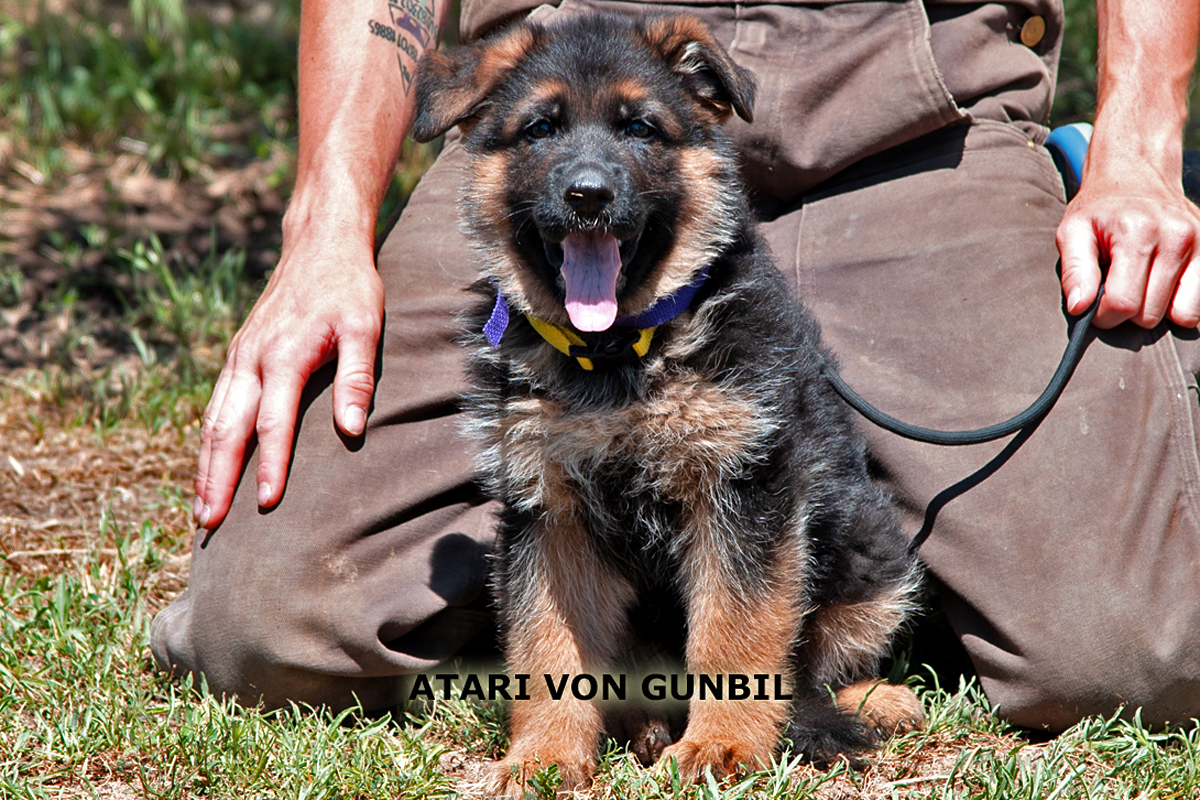
When floppy ears are still normal
During the growth window, these are very common:
- One ear up and one ear down
- Ears that stand one day and flop the next
- Ears that tip inward or outward for a while
- Ears that both drop during teething
If your puppy is healthy and growing well, there’s usually no reason to panic during the 4–6 month stage. Your breeder can tell you what’s typical in your puppy’s family.
When to talk to your breeder or veterinarian
- Both ears are consistently flat after about 7–8 months
- One ear changed suddenly after an injury
- Redness, odor, discharge, head shaking, or sensitivity
- Significant illness, poor appetite, or slow growth
Your breeder can compare your puppy to related dogs, and your vet can rule out infections or mites.
Taping puppy ears
Taping should never be a casual DIY project. In most well-bred German Shepherds, ears come up naturally with time, health, and patience.
If your breeder and veterinarian agree supportive measures may be appropriate, get guided instructions. Poor technique can irritate skin, trap moisture, and damage cartilage.
What not to do
- Don’t bend or constantly “massage” ears. Repeated stress can weaken cartilage.
- Don’t let kids pull or twist ears. Teach respectful handling early.
- Don’t over-supplement calcium. Excess minerals can harm growth and won’t “force” ears up.
- Don’t compare to random photos online. Timing varies and some images are cherry-picked moments.
Ears matter—but they’re not the whole dog
Upright ears are part of breed type, but health, temperament, structure, and nerve strength matter far more in daily life. We prioritize sound minds and sound bodies first.
You may also find these guides helpful:
Frequently Asked Questions
When do German Shepherd puppy ears stand up?
Most begin to stand between 8 and 16 weeks and may go up and down during teething. Many are fully erect by 5–7 months, though some take longer—ask your breeder what’s typical in your puppy’s lines.
Is it normal for ears to go up and down?
Yes—very common, especially during teething. Cartilage and muscles strengthen over time, and ears can change position several times before settling.
Should I tape my puppy’s ears?
Not casually. Most well-bred puppies come up naturally. If you’re concerned, talk with your breeder and veterinarian before attempting any supportive methods.
Can nutrition affect ear development?
Balanced nutrition supports healthy growth, but over-supplementing calcium or minerals can be harmful. Stick with a high-quality, age-appropriate diet and your breeder/vet’s guidance.