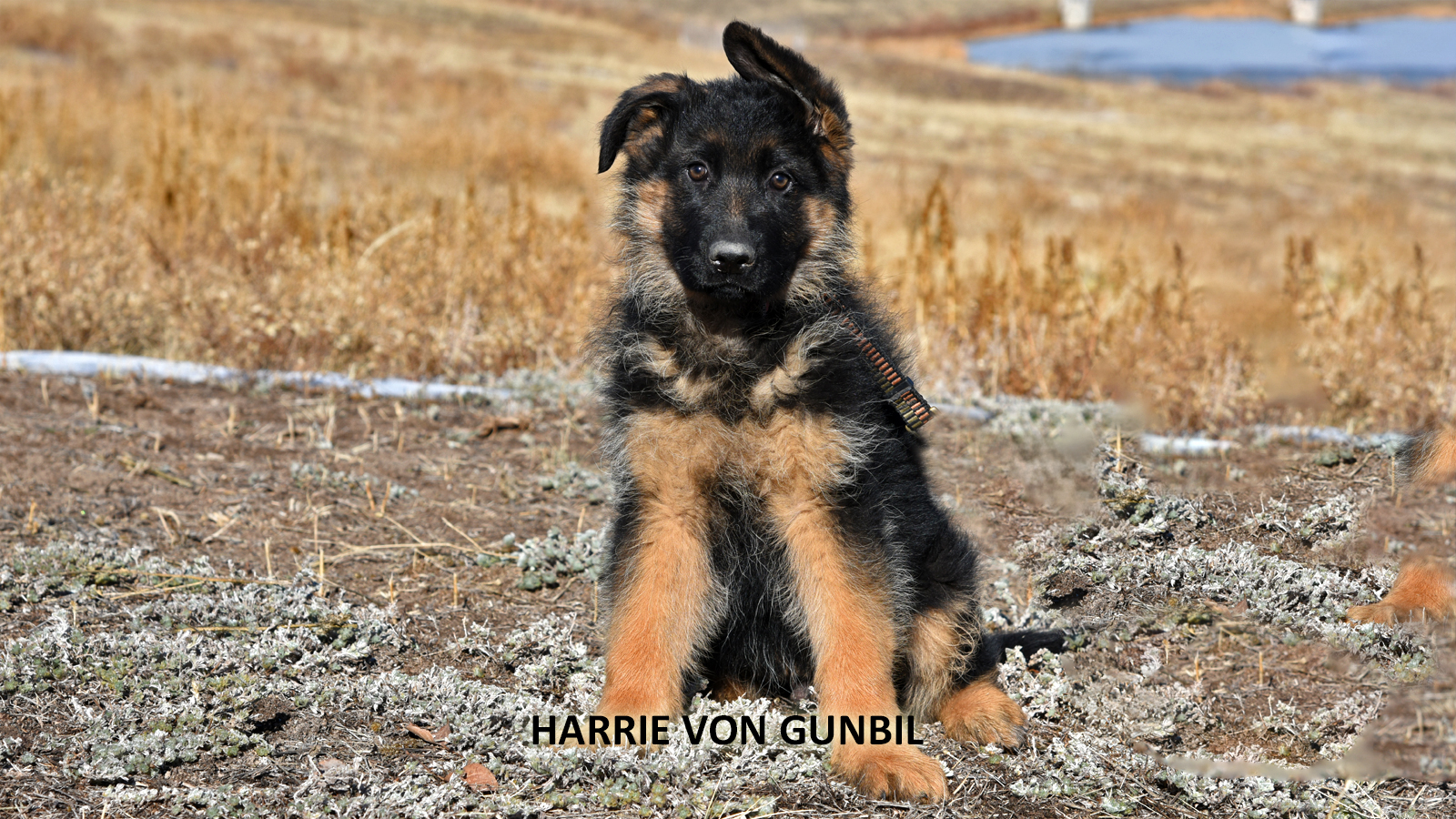
Home Safe Home for Your Puppy
Bringing a German Shepherd puppy home is exciting, emotional, and sometimes a little overwhelming. A well-prepared home keeps your puppy safe from accidents, supports house training, and helps your new companion settle in with fewer surprises. A little planning before your puppy arrives goes a long way toward a peaceful first week together.
Start with a Safe Puppy Zone
Instead of giving your puppy access to the entire house on day one, start with a clearly defined “puppy zone.” This might be part of the kitchen, family room, or another area where your family spends time and you can easily supervise.
- Use baby gates or exercise pens to limit access to unsafe areas.
- Set up your puppy’s crate nearby so they can rest close to the family.
- Place water, a comfortable bed, and a few appropriate chew toys in the zone.
- Remove anything valuable or fragile that you do not want chewed or knocked over.
A well-structured puppy zone prevents accidents, protects your belongings, and gives your puppy a clear sense of where they are allowed to be.
Living Room & Family Areas
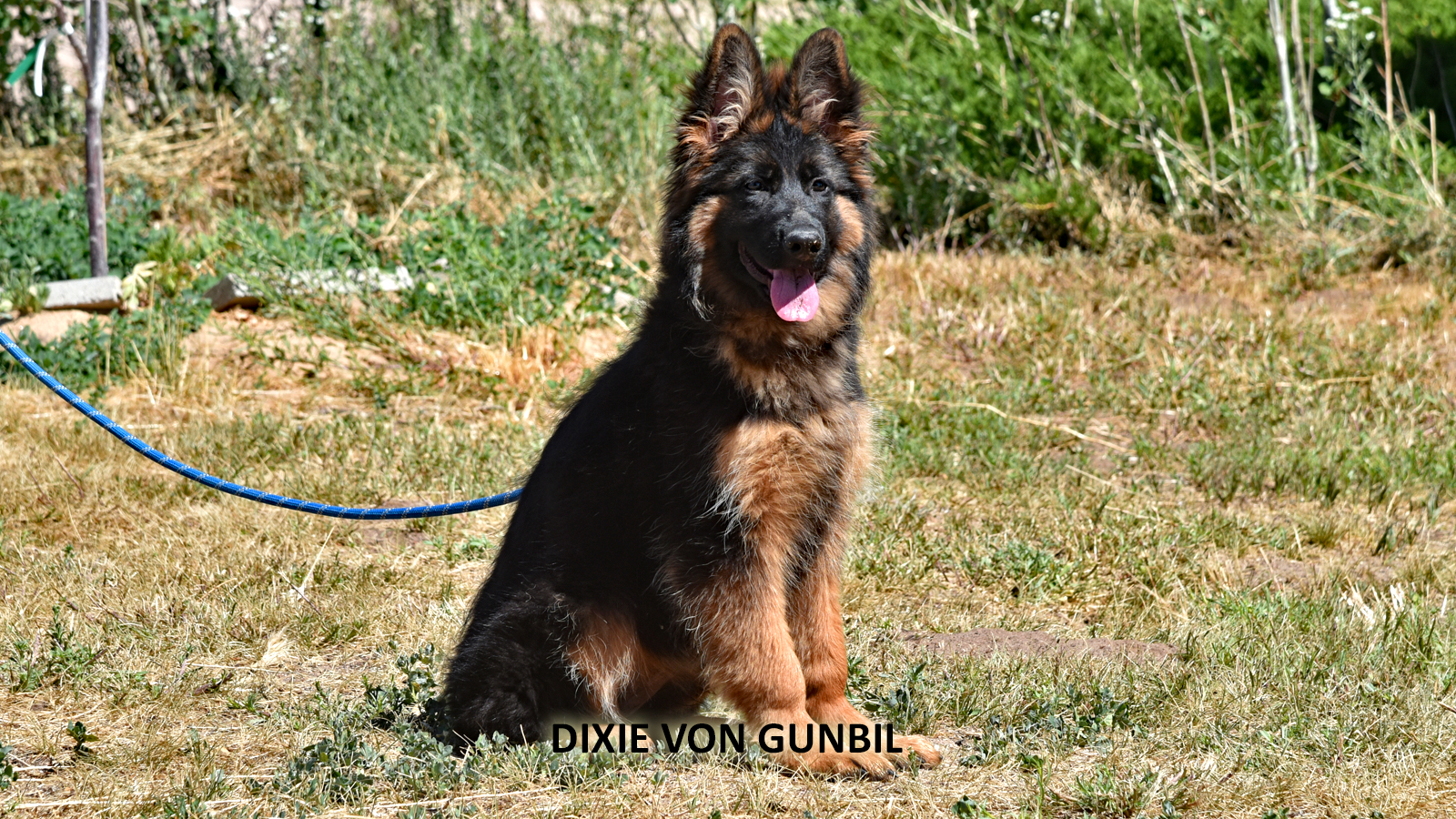
The living room is often where the family relaxes—and where puppies can find plenty of tempting things to chew or swallow. A quick safety check can prevent many emergencies.
- Secure or cover electrical cords and power strips so they are not accessible to curious teeth.
- Pick up small objects that could be swallowed, such as coins, toys, batteries, and hair ties.
- Keep remote controls, phones, and chargers on higher surfaces when not in use.
- Use sturdy, tip-resistant lamps and avoid long, dangling cords or drapes at puppy level.
- Provide appropriate chew toys so your puppy has a safe outlet for natural chewing behavior.
When your puppy is in the living room, think “eyes on” supervision. If you cannot watch closely, return them to the crate or puppy zone for a safe break.
Kitchen, Food, and Trash Safety
The kitchen can be especially dangerous for a young puppy, with food, sharp objects, and cleaning products all in one place.
- Use a covered or latched trash can to prevent scavenging and ingestion of harmful items.
- Keep human food off the floor and out of reach—many foods are unsafe for dogs.
- Store cleaning products securely and wipe up spills immediately.
- Avoid leaving knives or utensils near counter edges where they could be knocked down.
Teaching a simple “out of the kitchen” rule early can make life easier and safer for everyone.
Stairs, Hallways, and Doors
Young puppies can be unsteady, impulsive, and sometimes fearless. Stairs and open doors can quickly turn into hazards if not managed.
- Use baby gates to block access to steep stairways until your puppy is older and supervised.
- Teach your puppy to go up and down stairs slowly and with you, not alone.
- Make sure exterior doors close securely and that family members know to watch for the puppy when entering or leaving.
- Keep the garage door and access door closed so the puppy cannot wander into unsafe areas.
Backyard and Outdoor Safety
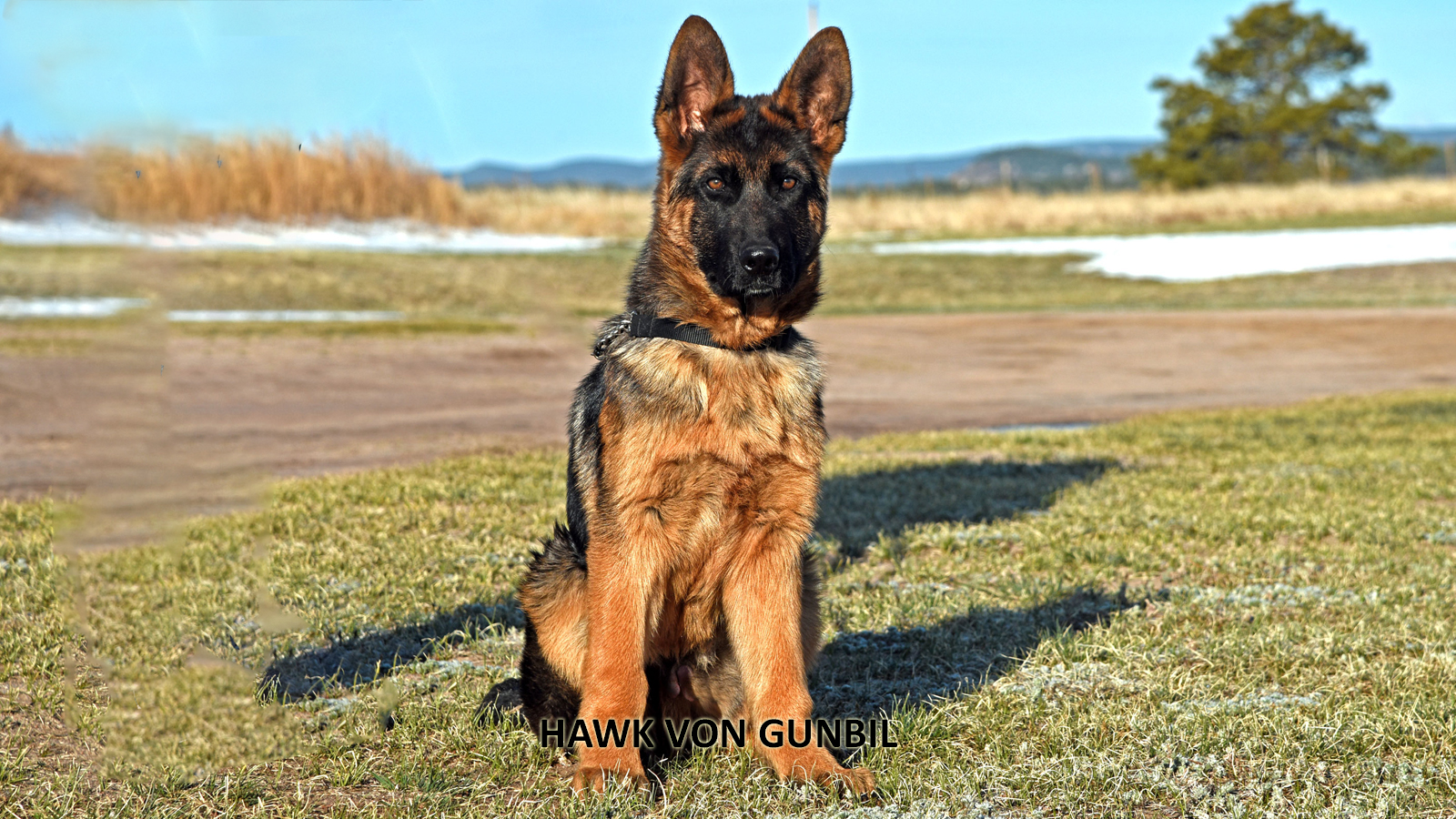
Many owners assume the yard is automatically safe, but it often contains hidden risks. See our complete yard safety guide for German Shepherd puppies for a more detailed outdoor checklist. A quick review of your outdoor space helps prevent injury or escape.
- Check fencing for gaps, loose boards, or spaces where a puppy could squeeze through or dig under.
- Remove or fence off access to pools, ponds, and hot tubs.
- Pick up sharp objects, garden tools, and yard debris.
- Be mindful of lawn chemicals, fertilizers, and ice melt products that may be unsafe for dogs.
- Watch for toxic plants or mushrooms and remove them if necessary.
Outdoor time should always be supervised, especially in the early months. A German Shepherd puppy can move faster and get into more trouble than most people expect.
The Crate as a Safe Place
A properly introduced crate is not a punishment—it is a safety tool and a den. It gives your puppy a quiet place to rest and keeps them protected when you cannot supervise.
- Choose an appropriately sized crate where your puppy can stand, turn, and lie down comfortably.
- Place the crate in a calm area of the home where the puppy can still see and hear the family.
- Use soft bedding that is safe to chew, and remove it if your puppy begins to shred or swallow pieces.
- Offer safe chew toys in the crate to encourage relaxation, not frustration.
Many Gunbil German Shepherds puppies already begin crate and structure training before going home. Continuing that routine in your house reinforces safety, predictability, and calm behavior.
Common Household Hazards to Avoid
Some of the most dangerous items for puppies are small, everyday things we rarely think about. A quick sweep at puppy eye level can reveal a lot.
- Human medications, vitamins, and supplements.
- Cleaning products, detergents, and bleach.
- Small toys, batteries, coins, rubber bands, and jewelry.
- Certain houseplants and flowers that may be toxic.
- Trash, food wrappers, and leftover food on counters or tables.
When in doubt, assume your puppy may chew it, carry it, or swallow it—and put it safely away.
Frequently Asked Questions
How should I prepare my home before my puppy arrives?
Start by choosing where your puppy will sleep, eat, and go to the bathroom. Set up a defined puppy zone with a crate, water, and a comfortable bed. Pick up loose wires, shoes, and children’s toys, secure trash cans, and block access to unsafe areas or steep stairs. A calm, organized setup lets your puppy arrive to clear structure instead of chaos.
Do I really need a crate for home safety?
A crate, when introduced correctly, is one of the safest tools you can use at home. It protects your puppy from chewing dangerous objects, prevents unsupervised wandering, and gives them a den-like place to rest. It also makes house training cleaner and more predictable. The goal is not to “lock the puppy away,” but to give them a secure, peaceful place where nothing bad ever happens.
How can I keep kids and puppies safe together in the home?
Supervision is non-negotiable. Teach children to be gentle, to avoid hugging tightly, riding on, or pulling on the puppy, and to leave the puppy alone when it is eating or sleeping. Short, positive interactions with an adult present help the puppy build trust and prevent misunderstandings that could lead to nips or fear.
What common household items are dangerous for puppies?
Many everyday items can be harmful, including medications, cleaning supplies, certain plants, small objects that can be swallowed, and some foods such as chocolate, grapes, and onions. Keeping these out of reach and using a crate or safe puppy area greatly reduces the risk of accidents and emergency vet visits.
To learn the best crate size and design for a German Shepherd puppy, visit our FYI page: Choosing the Right Crate for Your German Shepherd Puppy .
Final Thoughts
A safe home is not about wrapping everything in padding—it is about thoughtful structure, supervision, and clear boundaries. When your German Shepherd puppy understands where to rest, where to play, and what is off limits, your home becomes a calm, predictable place instead of a constant battle.
At Gunbil German Shepherds, we focus on raising puppies with strong nerves, clear character, and healthy social behavior. A carefully prepared home completes that foundation and helps your new puppy grow into the confident family companion you envisioned.
For more education, visit our main German Shepherd FYI section or contact us if you have questions about preparing your home, crate routines, or welcoming a Gunbil puppy into your family.