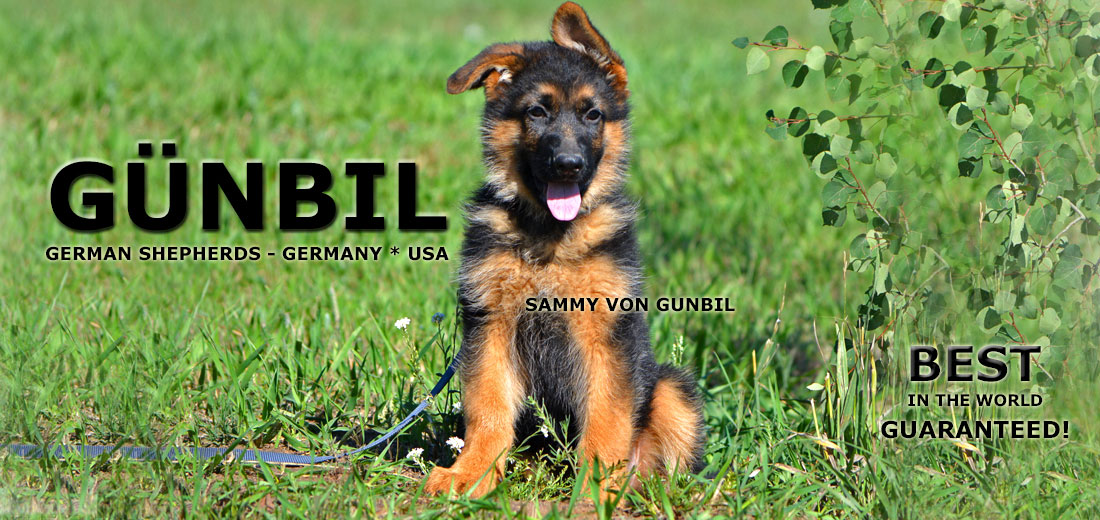
Considering a German Shepherd puppy?
A dog depends on its human owners for care, structure, and love. This dependency is rewarded many times over with the dog’s unquestioned devotion and heartfelt affection.
A dog quickly becomes a family member, and as such, it must be able to fit in with the family’s lifestyle. If it’s the wrong breed, brought home for the wrong reason, or one that fails to meet your expectations, then instead of becoming a beloved member of the family, it can become a burden and an outcast. With careful consideration of the needs and requirements of different breeds—and how these relate to your own lifestyle—the result will be a four-legged companion who brings you joy and happiness for years to come.
There are 147 different AKC-recognized breeds of dogs. They come in many shapes and sizes. Some breeds have long hair; others are short-haired. Some need lots of room to run; others need just a small yard. Some prefer laps to curl up in; others are more independent. Before bringing a dog home to become part of your family, ask yourself the following questions and write down the answers. Then seek a dog that best matches your answers.

Puppy — What to Ask Yourself
For a young German Shepherd puppy, be honest about your time, space, and expectations:
- Do you know how big the puppy will grow?
- Do you have enough room, both inside and outside, to meet its exercise needs?
- Do you understand how active a German Shepherd can be?
- Will its temperament and personality fit your own and your family’s?
- Will it constantly need attention, and can you provide it?
- Do you have the time and patience to train and socialize the puppy?
- Are you prepared for accidents, chewing, and normal puppy behavior?
- Are you prepared to forego certain activities in order to tend to the pup’s needs?
- Can you afford quality food, vaccinations, and visits to the veterinarian?
Adult Dog — Different Questions, Same Commitment
If you are considering an older puppy or adult German Shepherd:
- Can you provide sufficient daily exercise routines for the dog?
- Do you have time to care for the dog’s emotional and social needs?
- Are there any special dietary or medical needs you should be prepared for?
- Are there health issues you should consider and be aware of?
- Do you have a safe place to keep the dog when you are not at home?
- Will its coat require special care and regular grooming?
Are You Prepared for the Responsibility?
Bringing a German Shepherd into your life is a long-term commitment. Are you ready to:
- Spend quality time with the dog every day.
- Make personal sacrifices to see to the dog’s needs.
- Feed, groom, and house it properly.
- Be forgiving if it goes to the bathroom where it should not.
- Deal with shedding and dog hair in your home and vehicle.
- Take it to training classes or work with a trainer, if necessary.
- Treat the dog as a four-legged member of your family.
- Accept the full responsibilities of dog ownership.
Are You Ready for What You Gain?
With responsibility comes an incredible reward. Are you prepared for:
- A companion who asks no questions and makes no judgments.
- Someone who loves you regardless of who you are, what you do, or how much money you have in the bank.
- Coming home to a presence that immediately fills the room with love and devotion when you walk through the door.
- Living a life that is mindful while being minded, loving while being loved, and caring while being cared for.
In short, dogs are often called “man’s best friend” and are among our most faithful companions—but they do bring responsibilities and obligations that must be considered by anyone thinking about getting a dog, especially a working-breed German Shepherd.
Common Questions About Living With a German Shepherd
Is a German Shepherd a good choice for a first-time dog owner?
Possibly. German Shepherds are intelligent, sensitive working dogs who thrive with structure, training, and daily engagement. They can be wonderful for committed first-time owners willing to invest in training and socialization, but they are not ideal for families wanting a low-maintenance or hands-off companion.
How much exercise does a German Shepherd need?
Most German Shepherds need at least 60–90 minutes of combined physical exercise and mental work each day. This can include structured walks, obedience, play, and activities that use their mind as well as their body.
Are German Shepherds good with children?
A well-bred, properly socialized German Shepherd can be excellent with children—loyal, protective, and gentle. Success depends on temperament, training, supervision, and teaching children how to interact respectfully with the dog.
How much time should I plan for training and socialization?
Plan on several short training sessions every day with a puppy, plus regular socialization in safe, controlled environments. For the first year, your German Shepherd will need ongoing training and exposure to people, places, and experiences to become a stable, confident adult.
Need Help Deciding If a German Shepherd Is Right for You?
If you’re still unsure, we’re happy to talk through your lifestyle, experience level, and goals to help you decide whether a German Shepherd is the right breed—and, if so, which temperament and coat type fit your home best.
You can also explore these helpful guides: